Healthy voice with optimal humidity

Healthy Voice with Optimal Humidity

Find your Condair expert

Benefits

An optimal humidity level between 40% and 60% protects the mucous membranes of the vocal apparatus and thus prevents hoarseness, coughing and loss of voice.

Fewer Vocal Problems

Controlled humidity protects the voice from hoarseness and inflammation.

Improved Performance

Consistent voice quality and call quality enhance performance.

Employer of Choice

Workplace health promotion makes employers attractive.

Healthy Voice with Optimal Humidity

Dry Air Strains the Throat and Larynx

Dry air is particularly unpleasant and dangerous for professions and activities that place intense strain on the voice. All too often, the direct link to the indoor climate is not recognised. Dryness in the throat and larynx, throat clearing and the urge to cough are always the first warning signs. Prolonged exposure can even lead to inflammation or chronic voice disorders. At the latest when the voice sounds hoarse and disappears completely, performance is impaired.

To maintain good voice function and prevent voice disorders, it is therefore necessary to keep the mucous membranes sufficiently moisturised. For activities involving intensive voice strain – for example, lecturers or singers, in call centres or in customer service – a minimum air humidity of 40% is recommended.

Humidity Protects the Voice

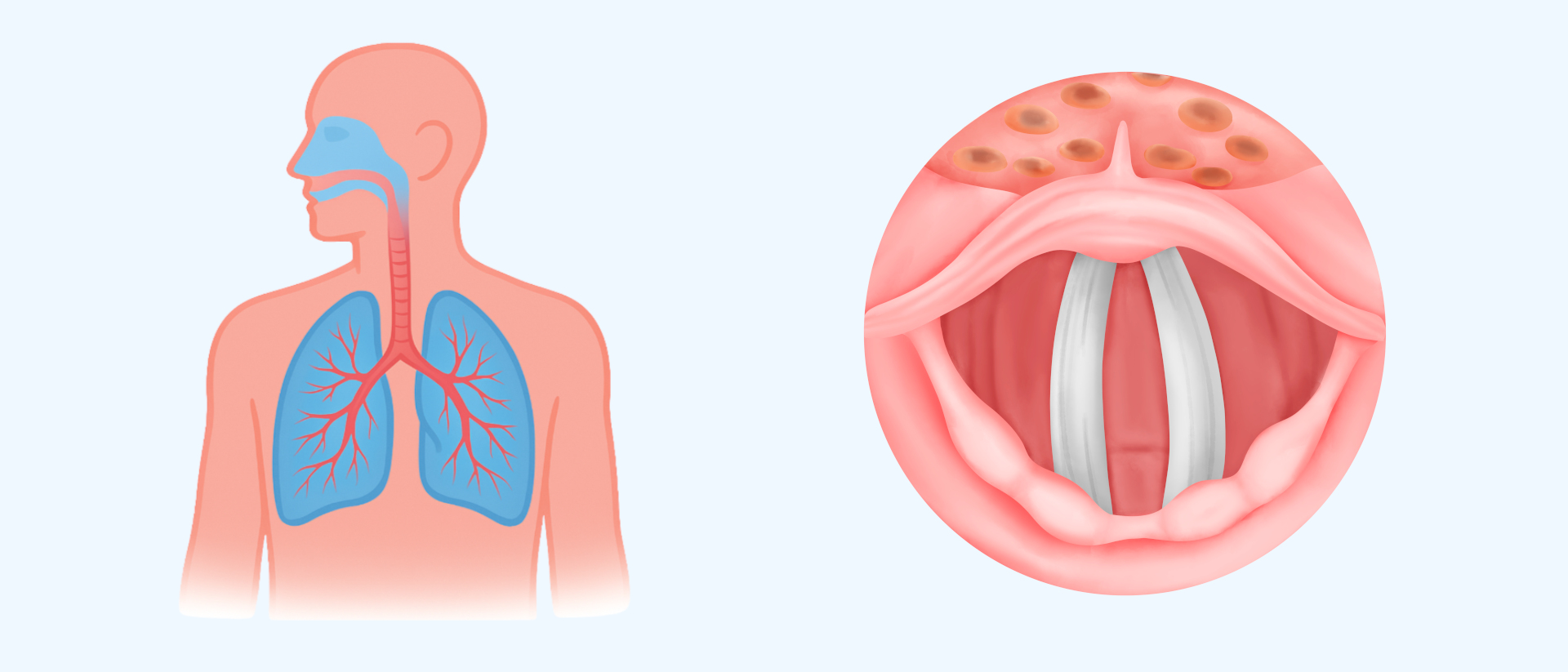
A variety of factors contribute to the development of voice disorders: in addition to individual causes (e.g. poor speaking technique), humidity also has a decisive influence on the voice: sufficient moisturisation of the mucous membranes is necessary for good voice function and the prevention of voice disorders: When we speak, air is pushed from the lungs through the larynx. The vocal cords vibrate and, like the strings of a guitar, produce sounds. If the air humidity is too low, the mucous membranes of the vocal cords lose their optimal moisture and thus their elasticity. After inhalation, the glottis can no longer be completely closed by the vocal folds. Side air enters the vocal apparatus, causing irritation, inflammation and, in the worst case, loss of voice.

Humidity Improves Voice Performance

Studies show that over 60% of employees in call centres or customer service departments suffer from voice strain. Speech therapists and voice coaches know that symptoms of dry air, such as throat clearing and coughing, distract listeners from the content of the conversation and significantly disrupt communication with the customer. This can result in a loss of call quality and lower conversion rates. In addition, voice disorders are also associated with absenteeism: respiratory diseases, which include hoarseness and laryngitis, are one of the main causes of sick leave in call centres and result in high costs and loss of productivity. By retrofitting air humidification systems, companies can make a significant contribution to improving health and call quality.
thumbnail

Vocal apparatus

When speaking, air is pushed from the lungs through the larynx.

Larynx

The mucous membrane of the larynx requires constant optimal humidity.

Vocal folds

The air flowing from the lungs causes the vocal folds to vibrate and produce sounds – like the strings of a guitar.

Glottis

If the air is too dry, the glottis cannot be completely closed after inhalation due to the vocal folds and vocal cords. Side air enters the vocal apparatus, causing throat clearing, coughing or loss of voice.

Vocal cords

If the air humidity is too low, the mucous membranes of the vocal folds and vocal cords lose their elasticity. The glottis then no longer closes completely.

Vocal problems are beneficial in many industries and applications

Frequently Asked Questions

How does humidity affect the voice?
What is the ideal humidity level for a healthy voice?
What voice problems arise when the air is too dry?
Why is humidity important for professions that involve a lot of talking?
Why is humidity important for theatres and opera houses?
How can I protect my voice from dry air?

Get Free Expert Advice

If you want to explore your options for humidity control, a Condair's expert will visit your site, review your project and talk you through their recommendations.

Alternatively, if you would prefer a call or online meeting, our team is always happy to discuss possible solutions and offer free technical advice.

Need more information
or expert guidance?

Get in Touch with Condair

Contact Your Local Condair Rep

Contact your local Condair representative who can help you with all of your humidification, dehumidification, and evaporative cooling projects.

Contact Condair in North America

Not sure where to start? Contact us and we’ll direct your enquiry to the appropriate Condair representative or department.